
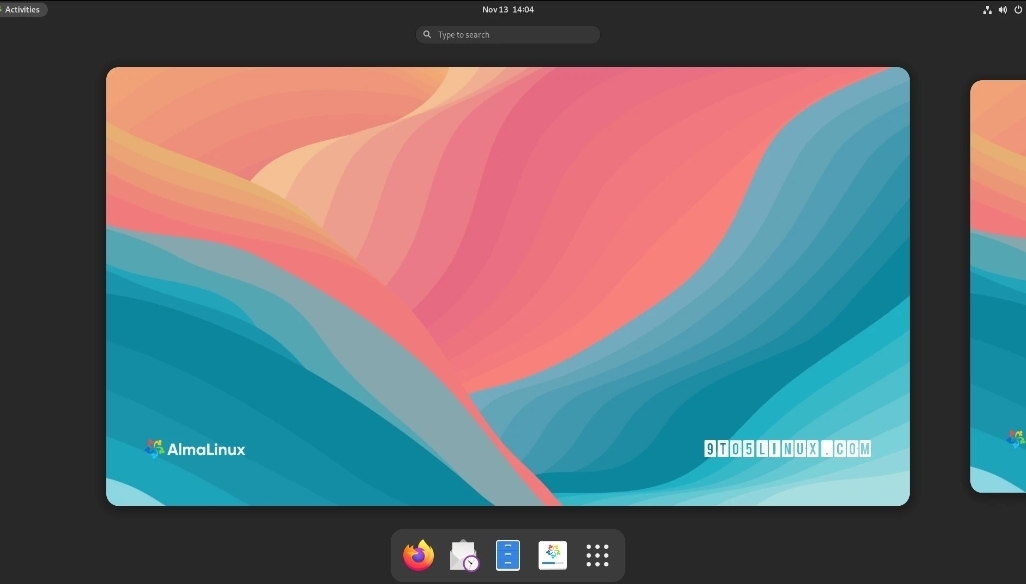
The AlmaLinux OS Foundation announced today the release and general availability of AlmaLinux OS 10.2 (codename Lavender Lion) as the second point release of the latest AlmaLinux OS 10 series, based on Red Hat Enterprise Linux 10.2.
Coming six months after AlmaLinux OS 10.1, the AlmaLinux OS 10.2 release introduces i686 userspace packages to enable legacy 32-bit software, CI pipelines, and containerized workloads on AlmaLinux 10, full enablement of KVM for IBM POWER in the virtualization stack, and SPICE support for both server and client applications.
AlmaLinux OS 10.2 also re-enables frame pointers by default so system-wide profiling works out of the box, ships the Mozilla Firefox web browser and Mozilla Thunderbird email client apps as regular RPMs in the system repositories, and re-adds a long list of older storage and networking drivers that were disabled upstream.
This release also introduces performance enhancements, updated development tools, and improves security. The toolchain has been updated as well to GCC 15.2.1, LLVM 21.1.8, Rust 1.92.0, Go 1.24, Python 3.14, PostgreSQL 18, MariaDB 11.8, Ruby 4.0, PHP 8.4, Ruby 4.0, PostgreSQL 18, and MariaDB 11.8.
Container and virtualization support was updated with the latest versions of Podman, Buildah, libvirt, QEMU-KVM, and skopeo, while security has been improved with updates to OpenSSL, OpenSSH, SSSD, SELinux policies, crypto-policies, and Keylime. Check out the release notes for extra reading.
You can download the AlmaLinux OS 10.2 release right now from the official website as installation ISO images for 64-bit (x86_64 and x86_64_v2), AArch64 (ARM64), PowerPC 64-bit Little Endian (ppc64le), and IBM System Z (s390x) architectures. Live and cloud images will be available as well, along with containers.
As expected, this release targets new users and those who want to perform a fresh installation. Existing AlmaLinux OS users can upgrade their installations to the new version by running the sudo dnf update command in a terminal emulator or virtual console.
Coming six months after AlmaLinux OS 10.1, the AlmaLinux OS 10.2 release introduces i686 userspace packages to enable legacy 32-bit software, CI pipelines, and containerized workloads on AlmaLinux 10, full enablement of KVM for IBM POWER in the virtualization stack, and SPICE support for both server and client applications.
AlmaLinux OS 10.2 also re-enables frame pointers by default so system-wide profiling works out of the box, ships the Mozilla Firefox web browser and Mozilla Thunderbird email client apps as regular RPMs in the system repositories, and re-adds a long list of older storage and networking drivers that were disabled upstream.
This release also introduces performance enhancements, updated development tools, and improves security. The toolchain has been updated as well to GCC 15.2.1, LLVM 21.1.8, Rust 1.92.0, Go 1.24, Python 3.14, PostgreSQL 18, MariaDB 11.8, Ruby 4.0, PHP 8.4, Ruby 4.0, PostgreSQL 18, and MariaDB 11.8.
Container and virtualization support was updated with the latest versions of Podman, Buildah, libvirt, QEMU-KVM, and skopeo, while security has been improved with updates to OpenSSL, OpenSSH, SSSD, SELinux policies, crypto-policies, and Keylime. Check out the release notes for extra reading.
You can download the AlmaLinux OS 10.2 release right now from the official website as installation ISO images for 64-bit (x86_64 and x86_64_v2), AArch64 (ARM64), PowerPC 64-bit Little Endian (ppc64le), and IBM System Z (s390x) architectures. Live and cloud images will be available as well, along with containers.
As expected, this release targets new users and those who want to perform a fresh installation. Existing AlmaLinux OS users can upgrade their installations to the new version by running the sudo dnf update command in a terminal emulator or virtual console.
No comments yet. Be the first to comment.